How to Find the Ideal General Contractor for Your Upcoming Home Project
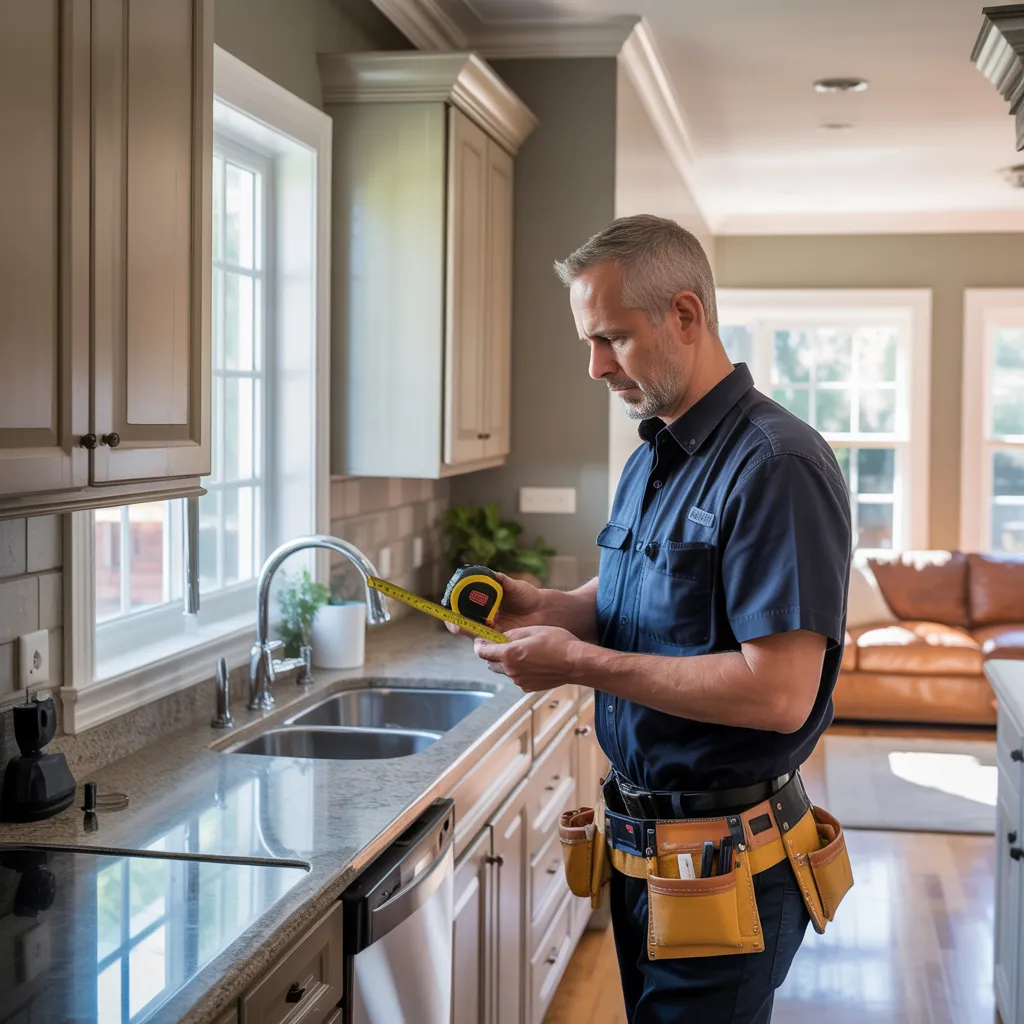
Selecting the appropriate construction professional for your home project is a critical choice. This requires thoughtful evaluation of multiple elements, such as experience, qualifications, and communication skills. Many homeowners overlook key aspects, leading to costly mistakes. Knowing how to evaluate prospective professionals can make a substantial impact. By focusing on vital standards and posing the right questions, one can navigate this intricate undertaking more efficiently. What are the key steps to guarantee a successful partnership?
How to Prevent Typical Mistakes When Hiring a Service provider
When choosing a general contractor, how does one manage the wide range of selections without encountering common mistakes? Prospective clients often miss key points that can lead to unsatisfactory outcomes. First, basing decisions just on price can be confusing; the lowest bid may mean poor quality or hidden costs. Additionally, overlooking testimonials or web reviews can result in employing a contractor with bad reviews. It is also essential to avoid making decisions based on charisma alone; a friendly contractor may not demonstrate the needed qualifications or consistency. Moreover, failing to establish clear communication and expectations can lead to misinterpretations and unhappiness. Finally, neglecting to examine contracts carefully before signing can result in unforeseen duties or inadequate security. By being alert and aware, homeowners can make more confident decisions, ultimately leading to a successful project.
Critical Factors to Review in a Contractor's Professional History
When evaluating a contractor's experience, multiple important elements become relevant. Relevant project experience, industry certifications, and an extensive portfolio of finished projects serve as critical indicators of their capabilities. Evaluating these elements can provide valuable insights into the contractor's suitability for the particular job at hand.
Applicable Project Experience
Recognizing a contractor's applicable work history is essential for ensuring the positive outcome of any building project. Prospective clients should evaluate the contractor's portfolio, concentrating on finished work comparable in size and design to their own. This entails reviewing the caliber of craftsmanship, adherence to timelines, and cost control in previous undertakings. Additionally, it is advantageous to inquire about the kinds of substances used and the contractor's knowledge of area construction regulations and regulations. Reviews and recommendations from past clients can shed light on the contractor's reliability and ability to communicate. Ultimately, a contractor with substantial relevant experience can navigate challenges effectively, ensuring the undertaking meets the homeowner's requirements and benchmarks.
Professional Certifications And Licenses
Certification and authorization act as key indicators of a contractor's professionalism and expertise in the construction industry. When hiring a general contractor, it is essential to verify that they hold the demanded licenses set by local and state regulations. These licenses show compliance with building codes and safety standards. Moreover, industry certifications, such as those from the National Association of Home Builders or other similar organizations, reflect a contractor's commitment to quality and ongoing education. Contractors possessing specialized certifications may also have skills in particular areas, like green building or remodeling. Making sure a contractor has the appropriate credentials not only creates confidence in their abilities but also reduces potential legal and financial risks during the project.
Portfolio Of Done Work
The contractor's portfolio of finished projects acts as a essential tool for evaluating their capabilities and qualifications. This compilation should display a diversity of jobs, showing adaptability in various styles and intricacies. When analyzing a portfolio, possible buyers must find high-quality images that show the craftsmanship involved. It is also beneficial to see projects that match the homeowner's individual preferences or aesthetic preferences. Meticulousness, innovative solutions, and adherence to timelines are key signs of a contractor’s expertise. Furthermore, customer reviews or detailed reports included in the portfolio provide greater understanding into the contractor's commitment and trustworthiness. Finally, a strong portfolio enables homeowners to make informed decisions regarding their upcoming projects.
Guide to verifying Your Contractor's Credentials and Licenses
Before hiring a general discover the information contractor, it is crucial to verify their qualifications and certifications to ensure they meet industry standards. Begin by verifying with local licensing boards to verify that the contractor holds the necessary licenses for your area and project type. Each state has its own standards, so understanding these can avoid future complications.
Furthermore, ask regarding insurance coverage, including liability and workers' compensation, to guarantee protection against potential accidents or damages. Request references from previous clients and check in to gauge satisfaction and reliability.
Lastly, scrutinize any professional credentials the contractor may have, as these often confirm specialized training and observance of industry best practices. A thorough verification process not only ensures compliance but also strengthens confidence in the contractor's ability to accomplish the project successfully.
Why Consistent Dialogue Is Crucial in Your Contractor Professional Relationship
Effective interaction plays a vital role in the contractor-client relationship, shaping the project's success from the outset. Clear communication establishes expectations, timelines, and budgets, ensuring both parties are aligned on the project's goals. When clients communicate their vision effectively, contractors can provide expert recommendations and solutions, enhancing the overall outcome.
Ongoing information sharing and open lines of communication enable quick resolution of issues as they arise, preventing potential delays. Additionally, a contractor who gives attention and responds client feedback strengthens trust, which is essential for collaboration.
Furthermore, robust communication helps in managing alterations and unforeseen challenges, keeping the project on path. It allows the contractor to modify approaches based on client input, guaranteeing satisfaction during the process. In the end, emphasizing dialogue not only strengthens the contractor-client relationship but also greatly contributes to the triumphant finishing of the home project.
Important Questions to Raise with Your Contractor During Initial Meetings
At the start of meetings with a contractor, clients should emphasize comprehending their experience and qualifications. It's necessary to question the project timeline and budget to verify harmony with the client's expectations. These questions provide a basis for a thriving collaboration and effective project management.
Experience and Expertise
Selecting a building contractor relies on understanding their professional history and qualifications. Homeowners should ask about the contractor's experience duration and the types of work accomplished. Detailed questions about official permits, certifications, and insurance are essential because these ensure adherence to regulations and offer protection during the project. Moreover, looking at past work through portfolios or client references can give insight into the contractor's workmanship and dependability. It is also recommended to inquire about their knowledge of similar projects, as this can suggest their capacity to manage specific challenges. Ultimately, judging a contractor's experience and qualifications increases confidence and helps homeowners make informed decisions about their home projects.
Project Schedule and Financial Allocation
How might property owners confirm their project remains on schedule budgetwise and timeline-wise when meeting with a general contractor? To maintain alignment, they should pose important questions during first consultations. Homeowners must ask regarding the projected timeframe for project completion and any potential delays that could emerge. Understanding the contractor's approach to managing schedules is vital. Also, discussing the budget upfront is important; homeowners should obtain clarification on pricing quotes, payment schedules, and any built-in reserves for unexpected costs. Learning about previous projects can provide insight into the contractor's dependability in meeting deadlines and staying within budget. By fostering transparent communication regarding timelines and finances, homeowners can build a strong partnership with their contractor, boosting the likelihood of a successful project.
Tips for Verifying References and Examining Reviews
What steps should one undertake to confirm a general contractor is dependable? First, it is important to obtain a list of references from candidate contractors. A credible contractor will readily provide names and contact information of previous clients. One should reach out to these references to inquire about their experiences, emphasizing aspects such as communication, quality of work, and adherence to timelines.
Additionally, examining online feedback on platforms like Google, Yelp, or Angie's List can provide useful insights. It is important to look for trends in the comments—recurring praise or criticism can indicate reliability or potential issues.
Furthermore, examining any grievances submitted with local licensing boards or consumer protection agencies can uncover a contractor's background. Finally, requesting recent photographs of completed work can help assess the quality of their work. By taking these measures, one can make a more informed decision when selecting a general contractor.
Learning About Professional Fees and Payment Policy
Property owners should get to know standard payment terms. Most contractors request a deposit ahead of time, preceded by progress payments connected to project milestones. It's important to address these terms before agreeing to a contract to prevent misunderstandings. Moreover, homeowners should question potential supplementary charges, such as permits or unanticipated work. Direct communication regarding payment structure and pricing will help foster a straightforward working relationship, eventually resulting in a successful project outcome. Grasping these elements provides homeowners the ability to select appropriately when picking a general contractor.
Frequently Posed FAQs
How Much Duration Will Be Required to Finish the Project?
The project duration generally fluctuates based on complexity and scope. Generally, it may take several weeks to months. Factors such as weather, availability of materials, and labor resources can significantly impact the project completion schedule.
What Takes Place if Surprise Challenges Surface During Construction?
If unforeseen problems occur during building, the contractor usually evaluates the situation, communicates with the homeowner, and suggests remedies. Changes to the timeline and budget may be required, guaranteeing transparency throughout the undertaking.
Do I Require Approvals or Inspections for My Undertaking?
Most undertakings require permits and inspections to guarantee adherence with local building codes. It is essential to consult with a general contractor who understands these specifications, as they can manage the permit approval process effectively.
How Do You Manage Subcontractors and Their Payment Processing?
A accomplished general contractor coordinates subcontractors by instituting unambiguous agreements expressing payment terms. They ensure consistent payment, keep ongoing dialogue, and check subcontractor work quality, fostering a collaborative environment that contributes to project effectiveness and productivity.
What Policy Do You Have Regarding Project Updates or System Enhancements?
The contractor takes a versatile method to project alterations, requiring written documentation for any upgrades. They promise transparent communication, determine cost implications, and adjust timelines accordingly to accommodate the client's shifting needs and expectations.